





PH Navy trains with US carrier strike group for the first time


The Philippine Navy participated for the first time in a military exercise with a US Navy carrier strike group (CSG) during a multilateral maritime exercise in the West Philippine Sea.
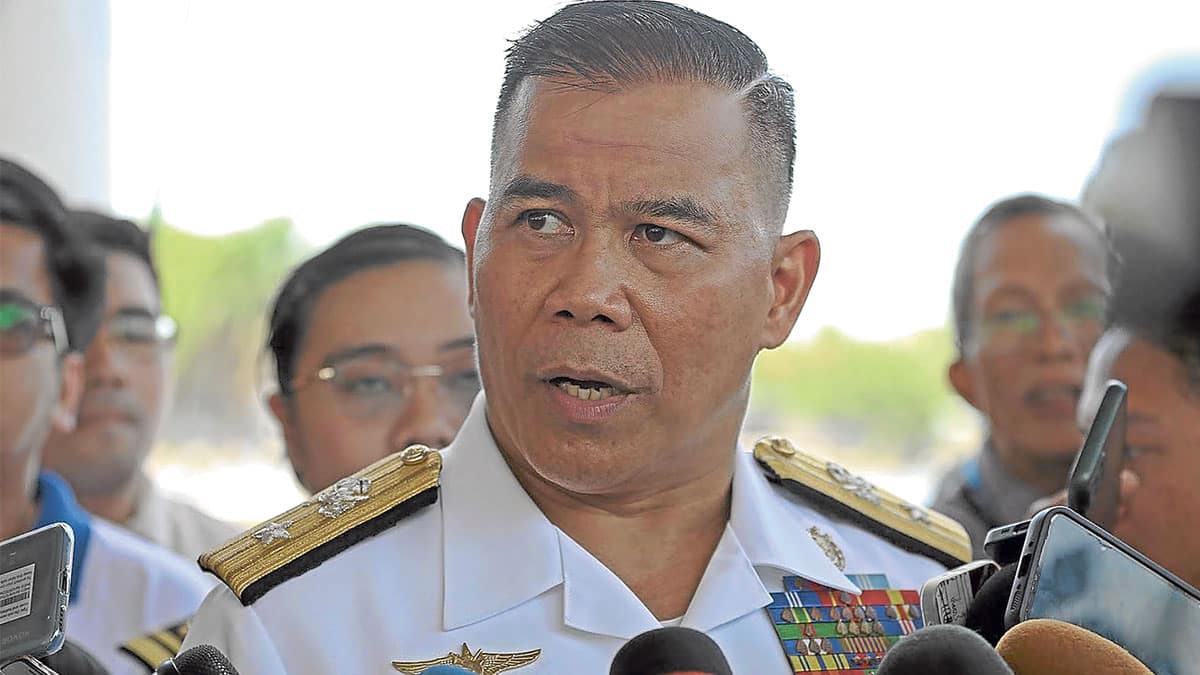
Rear Adm. Roy Vincent Trinidad, Navy spokesperson for the West Philippine Sea, said the drill offered an unprecedented opportunity for Philippine forces to train with a full carrier strike group in complex operations.
“It is not every day that such a force operates within Philippine waters,” he said, adding that the activity strengthened interoperability and reinforced regional security cooperation.
The two-day 13th Multilateral Maritime Cooperative Activity (MMCA), held on November 14 to 15, also involved the Japan Maritime Self-Defense Force.
Philippine vessels BRP Osiris-Al (FF150) and BRP Antonio Luna (FF151), supported by an AW159 Wildcat helicopter, participated in combined maritime operations, including anti-submarine warfare drill.
The US Indo-Pacific Command contributed the Nimitz Carrier Strike Group, comprising the aircraft carrier USS Nimitz (CVN68) and escort ships USS Wayne Meyer (DDG108), USS Gridley (DDG101) and USS Lenah Sutcliffe Higbee (DDG123).
For its part, Japan deployed the JS Akebono (DD-108) along with an SH-60K Seahawk helicopter.
A CSG is a naval formation centered on an aircraft carrier, designed to project power at sea and over land.
According to US Navy doctrine, a typical CSG includes the carrier itself, a complement of aircraft known as a “carrier air wing,” surface escort ships such as guided-missile cruisers and destroyers, submarines and logistical support vessels.
This configuration allows the group to operate independently, defend itself, and conduct a wide variety of missions, from anti-submarine warfare to power projection and sea control.
The Armed Forces of the Philippines (AFP) said the MMCA series highlights its focus on protecting the country’s sovereign rights and bolstering cooperation with allied forces.
“These engagements reinforce the Philippines’ resolve to defend its maritime domains, enhance interoperability, and uphold freedom of navigation under a rules-based Indo-Pacific order,” the AFP said in a statement on Sunday. /apl
For comprehensive coverage, in-depth analysis, visit our special page for West Philippine Sea updates. Stay informed with articles, videos, and expert opinions.


