





Peace adviser stands by push for 2026 BARMM polls


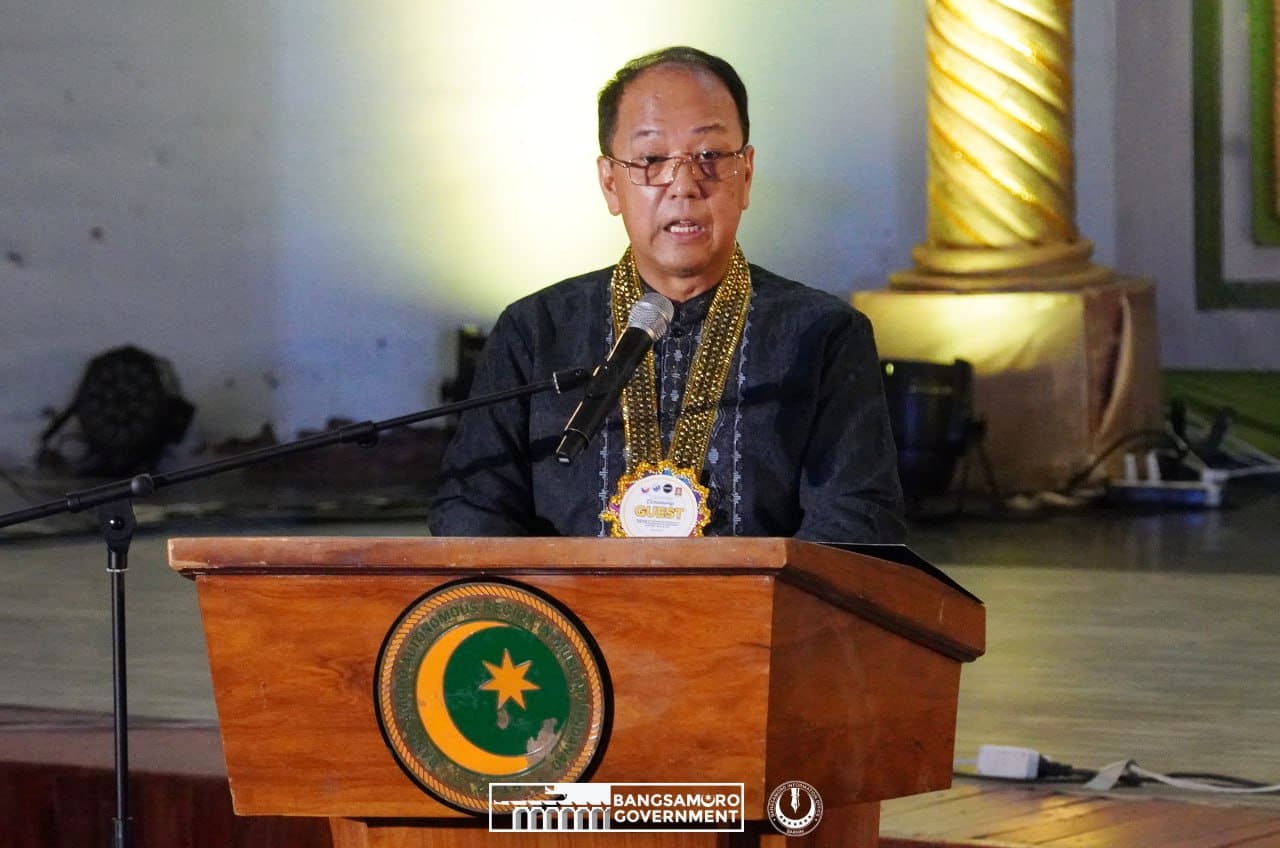
Presidential Peace Adviser Carlito Galvez Jr.
COTABATO CITY, BARMM, Philippines — The Office of the Presidential Adviser on Peace, Reconciliation and Unity has expressed its “strong and unqualified support” to a proposed measure in Congress setting the schedule of the first parliamentary elections in the Bangsamoro Autonomous Region in Muslim Mindanao (BARMM) this year.
This came amid calls from some BARMM lawmakers to hold the oft-postponed political exercise simultaneous with the 2028 general elections.
In a statement, Presidential Peace Adviser Carlito Galvez Jr. stressed that the passage of a law setting the 2026 regional elections was a vital step in fulfilling the spirit of the peace agreement and ensuring the political empowerment of the Bangsamoro people.
READ: Comelec postpones March 30 Bangsamoro parliamentary elections
Galvez, during the Feb. 5 hearing of the Senate committee on local government, said the holding of elections in the region this year would fulfill a significant milestone of the Bangsamoro peace process.
Three senior leaders of the Bangsamoro Transition Authority (BTA), the BARMM’s interim government, have called for the first parliamentary elections to be synchronized with the next general elections instead of holding it this year.
The discussions on the measures in the House and Senate appear to have agreed on a September schedule, to give time for the Commission on Elections to prepare for automated balloting.
Joint statement
BTA Deputy Speaker Jose Lorena, Floor Leader John Anthony Lim, and parliament member Khalid Abdullah issued a joint statement on Feb. 7 arguing that holding the first parliamentary elections simultaneous with the 2028 national elections would help ensure compliance with the 1987 Constitution and existing laws.
They said the desynchronized elections would create a near-perpetual electoral cycle, resulting in the conduct of elections virtually every year.
“Over the next 15 years, the BARMM would be subjected to as many as 14 separate electoral exercises,” the regional lawmakers said. “Such a fragmented electoral environment would disrupt governance, strain administrative capacity, undermine fiscal efficiency through repeated deployment of public resources, and heighten the risk of political destabilization, making the attainment of political order and stability exceedingly difficult.”
But Galvez believed that holding the elections this year would complete the political track of the Comprehensive Agreement on the Bangsamoro, the landmark peace deal signed in 2014 between the government and the Moro Islamic Liberation Front.
“It is the realization of our commitment to a self-governing, democratic region,” he said. /cb


