





Comelec: ‘Extra difficult’ to meet BARMM polls deadline


MANILA, Philippines — The Commission on Elections (Comelec) on Tuesday admitted that it might be “extra difficult” to conduct the Bangsamoro parliamentary elections on March 31, 2026, if the autonomous region fails to come up with a new law creating parliamentary districts by November 30.
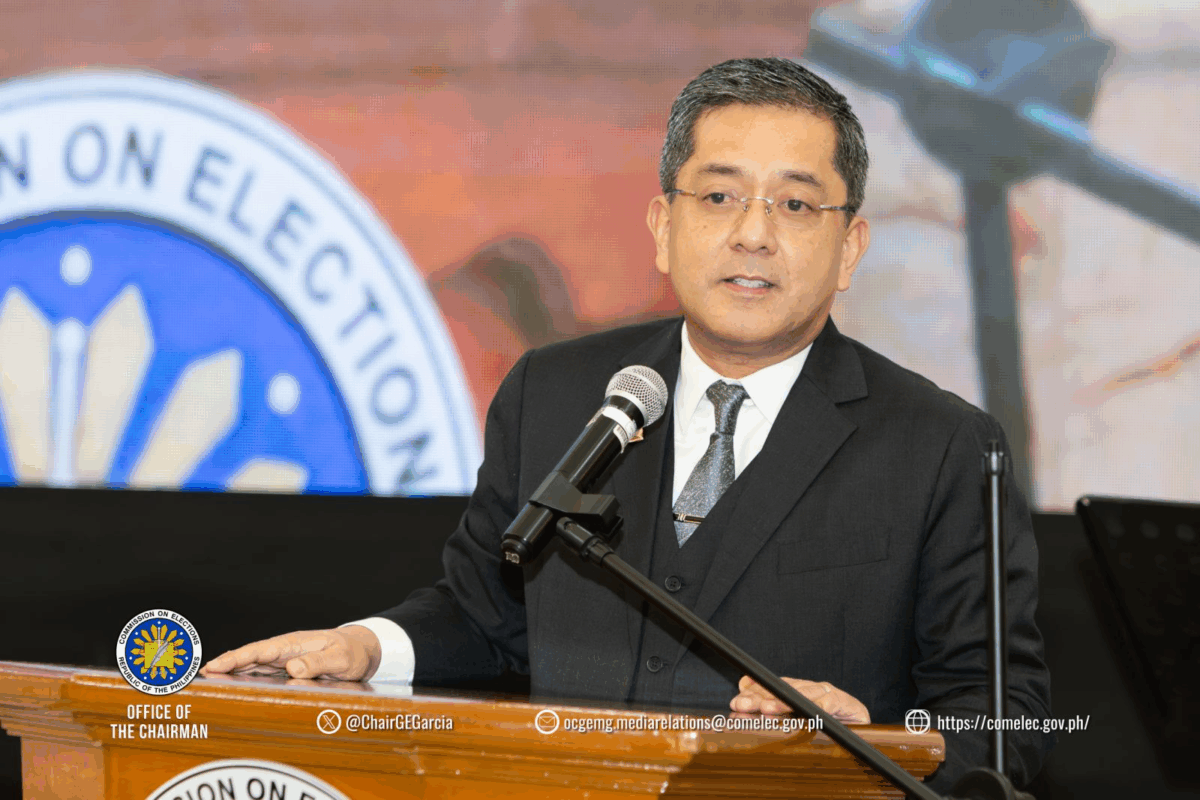
During the House committee on suffrage and electoral reforms, Comelec chair George Garcia told Mamamayang Liberal Rep. Leila de Lima that “until and unless” the BARMM government passes this measure, the commission could not proceed with the filing of candidacies and print ballots in time for the March 31, 2026 deadline set by the Supreme Court (SC) to hold the elections.
Last September 30, the SC ruled that Bangsamoro Autonomy Act No. 77 reconstituting the parliamentary districts in the region as well as its predecessor law, BAA 58, was unconstitutional and gave the BARMM parliament until October 30 to come up with a new redistricting law.
This new measure will then become the basis for electing the 80-member parliament, of which 40 is allocated to party representatives; 32 for single-member parliamentary districts, and eight for sectoral representatives.
At present, Garcia said, the BARMM government has already missed the October 30 deadline, as its parliament had just finished the second reading of several districting measures.
READ: Comelec: BTA has until Nov. 30 to pass redistricting law
“The second timeline should really be November 30, more or less. If by November 30, there is no districting law, it would be very difficult, really extra difficult, on the part of the Comelec to conduct the election by March,” Garcia said.
Ideally, he said, the electoral body should already be able to conduct the filing of candidacies by the first week of January 2026 “at all costs…because we would have to print 2.3 million ballots by the first week of February.”
“If we go beyond that timeline, Mr. Chair, I don’t think it would be possbile because this is already the shortest in the history of Comelec to prepare for an election, even a regional election at that,” Garcia said.
Apart from the redistricting measures, Garcia said the BARMM parliament also needed to discuss the accreditation of political parties and sectoral organizations, as well as a pending bill to remove the “none of the above” feature in their electoral code.
His revelation comes after De Lima questioned the Comelec whether the target date set by the SC was tenable in light of the administrative challenges besetting the rescheduling of the BARMM elections.
“If that’s the case, then the only solution now is to consider a law that would further extend or postpone the elections, but it has to be within a reasonable time because we all know the effect of further postponing the elections and the instability it’s causing,” De Lima added.
The upcoming BARMM elections are supposed to be their first democratic elections after over 50 years of conflict between the national government and armed rebel groups.
Currently, the BARMM government is composed of presidential appointees.
Under the BARMM’s parliamentary system, voters will elect parliamentary members who will serve both executive and legislative functions.
READ: BARMM lawmakers file new measure on parliamentary districts
BAA No. 77, signed into law on August 28, redistributed seven seats originally allocated to Sulu.
The SC previously ruled that Sulu should be excluded from the region after the province rejected the ratification of the Bangsamoro Organic Law in a plebiscite.
Meanwhile, BAA No. 58 established the parliamentary districts in the region. /das


